• Home
  • Cow (I love you)
    • Ok, we admit it, we love ruminants - bbq'd, grilled or roasted
    • Feast your eyes on...
  • Lamb (I want what Mary had)
    • Lamb is the stuff of nursery rhymes, entrees and medium-rare main courses
    • Love lamb? Look at these...
  • PIG (A-pork-a-lypse Now!)
    • "A-pork-a-lypse Now!" - the director's cut in glorious porky pictures... and, scene!
  • Meet the FoB Squad
    • Sharing the joy of feasting is a team sport - ready to meet your teammates?
    • FoB squad in action
  • Cold Hard Opinion (blogs, reviews and more...)
  • Contact
    • First some small-talk, and then the contact form
  • Home
  • Cow (I love you)
    • Ok, we admit it, we love ruminants - bbq'd, grilled or roasted
    • Feast your eyes on...
  • Lamb (I want what Mary had)
    • Lamb is the stuff of nursery rhymes, entrees and medium-rare main courses
    • Love lamb? Look at these...
  • PIG (A-pork-a-lypse Now!)
    • "A-pork-a-lypse Now!" - the director's cut in glorious porky pictures... and, scene!
  • Meet the FoB Squad
    • Sharing the joy of feasting is a team sport - ready to meet your teammates?
    • FoB squad in action
  • Cold Hard Opinion (blogs, reviews and more...)
  • Contact
    • First some small-talk, and then the contact form

Feast on Beasts

Viewing: Johnno - View all posts

The bewildering world of the “reverse, reverse sear” 

Or how to derail Train’s Great Steak Fundamentals!

By Johnno

It takes a man with a particular set of skills and a lot of time on their hands to successfully argue a point about steak with Train. He’s literally built a reputation and a brand on knowing how best to prep and cook a steak, simply. 

Nonetheless, as Train puts it, 

“Feast on Beasts is a community built on the foundations of mutual respect and trust for all those that believe that feasting on beasts is the bone marrow butter that binds our society and separates us from the animals.” 

Yup, slightly insane but makes perfect sense the second time round. Alrighty, let me whip you through the theory of the “reverse, reverse” sear method of creating large quantities of juicy, beautifully presented steaks while saving time and anxiety. 


5 steps to reversing the reverse sear for a great result… consistently!

Okay, so if we can agree that a great steak, after being rested, will present with a beautiful char or bark that’s dark, offers a little more than token resistance to the knife’s edge before giving way to a consistent, edge-to-edge pink hue, here’s what to do.

  1. Set your oven to 180 degrees
  2. Get your pan (cast iron is probably best) on the stove and set it to “jet afterburner hot” as Train might say, or do the same on the hotplate of your BBQ.
  3. Season appropriately (i.e. generously) after applying your choice of binder (e.g. olive oil).
  4. Sear: Rule of Thumb here is to go 1 (one) minute per side, just to get some colour happening.
  5. Slide into the oven for 10 minutes if you’re dealing with a tiny 200g steak (i.e. entrée size). Please note though, that I actually like to go ever slightly longer but at 150 degrees to get to an internal temp of 52 degrees (medium rare) or 54 degrees (medium).

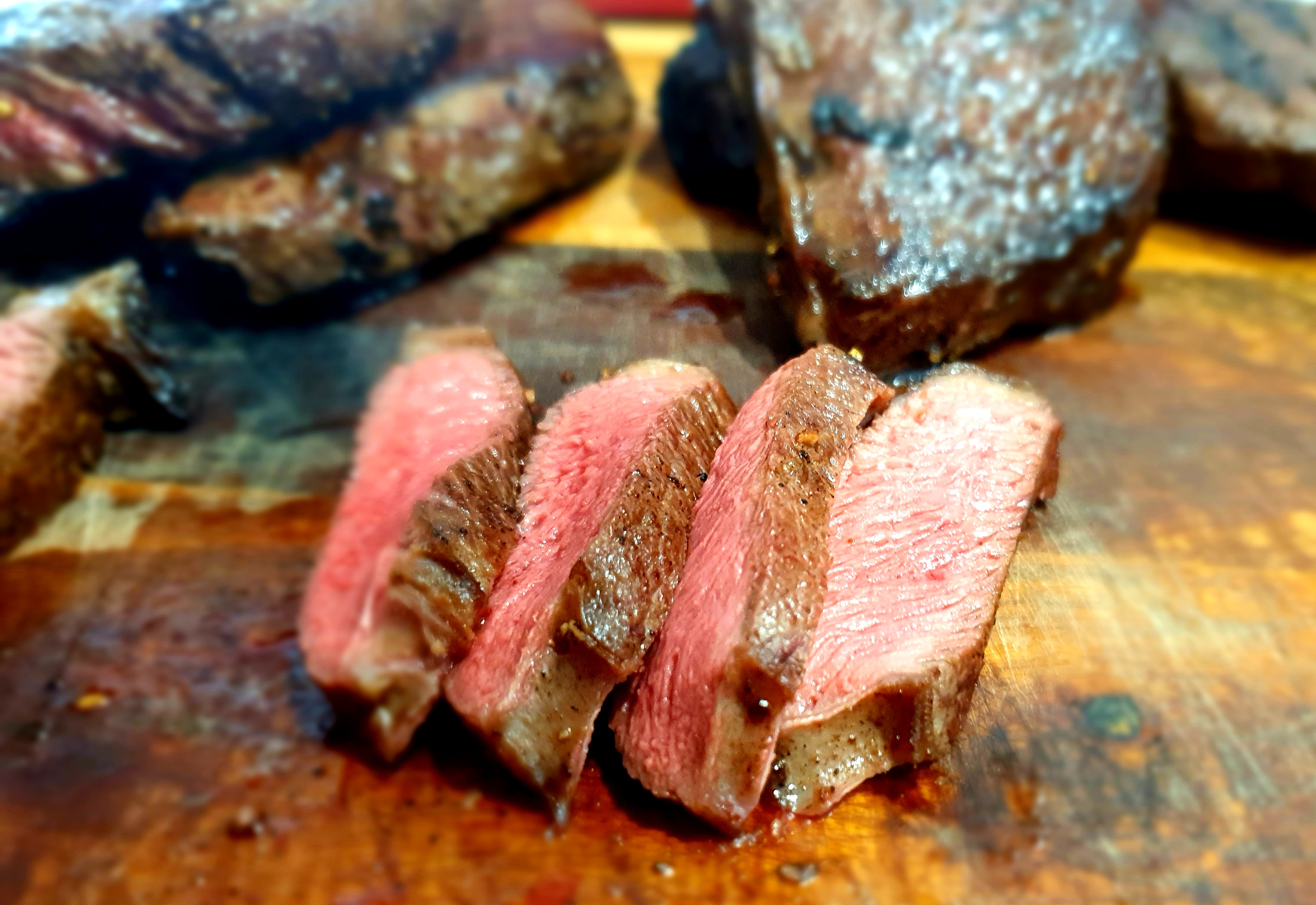
In perhaps a vain attempt to appear open-minded, Train actually did an A-B test of sorts back at FoB Central to see for himself – and the pics speaks for themselves. 

Let’s hear it from the man himself:

“Yeah, they were okay… no seriously, a great call but you really need to be on top of temp and time and this is where a food thermometer may help you out tremendously. Unless you’re me (Ed. Ridiculous).”

Okay, that’s the beginning, middle and end of the story. Go forth and cook kilos and kilos of steak. You don’t have to try this method, but you’ll be glad you did.

Feast on!

06/22/2026

  • Leave a comment
  • Share
    The bewildering world of the “reverse, reverse sear”

    Share link

in Steak, Train, Johnno, Beef

Cruising the supermarket aisles for wonderful steaks? 

Here’s what to look out for 

By Johnno 

Okay, let’s get one thing straight. A good steak from an excellent butcher is always going to be better than a good steak from a supermarket. It’s just the way it is. Good butchers hold themselves to a certain standard because their produce is their reputation, their livelihood and their passion. Whereas supermarkets are typically stocking produce on the basis of mass appeal or popular niche markets (and if you need to know more about that you should probably ask Train). 

The other thing to understand is that the premium quality you might experience at an excellent butcher will come at a… premium. This means that to the average shopper, waygu ribeyes will not be a nightly occurrence. As premium steaks (think tomahawks, ribeyes, scotch fillet and tenderloins) power past the $50/kg at your more fancied butchers, people are turning to the supermarket fridges for their everyday or every other day steaks for $20+ less/kg – fair enough (but don’t forget to treat yourself from time to time too). 

The question is, do you then need to abandon all hope of enjoying a beautiful steak until the finance clears? No. Not at all! 

Next time you’re at the supermarket, just keep these tips in your head and you won’t be sorry.

Fats vs fiction 

It’s true that solid masses of crayon-hard fat encircling a smallish steak can be… unappetising, but that doesn’t mean you should be looking for the leanest cuts. You’ve heard of marbling and you understand that this interstitial fat contributes heavily to flavour. Well take a moment or two to find a packet of steaks that features this magical network of awesome flavour running through it like a roadmap. They are out there (or in there) and your patience will be rewarded. Sure, the fridge doors might fog up a little, but you need to plate great steak… and that matters - a lot!

Colour counts, but not as much as you think 

For years we’ve been taught that red meat should be red – bright red. That’s why rumours swirled (and in some cases, rumours proved to be true) that some steaks, mince and roasts were deliberately touched up with a bit of colour to make them look more visually appealing. Appalling but there you go. But since the advent of vacuum-sealed packs or “vac-pack”) products, things have changed. Obviously with the lack of oxygen within the vac-sealed packaging, the meat will darken significantly and when you break the seal, after a few moments, the colour will return as the meat “blooms”. 

Okay, so we don’t need to worry to much about the colour then? Yes and no. Imagine if you saw a very appetising rosy-red steak in a vac-pack. This is by no means a deal-breaker but it does warrant a pause. And if you don’t like hanging around at supermarkets for ages, maybe that pause for thought becomes a deal-breaker, who knows? Common sense and awareness is key. Always ask yourself – why is that like that? Also, you can always ask friendly staff – see what they have to say. 

Final note on colour. Of course, if the meat is green or has white specks on it, keep looking. Remember, steaks and the like are meant for your tastebuds and tummy, so don’t ignore your gut if you feel something’s not quite right. If in doubt, keep looking.

Treat your steak with care and consistency 

So the steak you’ve selected from the fridge at your local supermarket wasn’t hand-selected and lovingly presented by your quality-obsessed butcher (Shout out to Fussy Meats and Torre & Mordini Gourmet Meats). Does that mean that you should resign yourself to a less-than-satisfactory eating experience. Of course not.Use similar techniques and seasoning you normally lavish on your celebratory scotch fillet, on your “super steak” and, if you’ve been paying attention, you’ll still enjoy a very pleasing result. 

Alright, keep your eyes peeled and… Feast on!

07/14/2022

  • Leave a comment
  • Share
    Cruising the supermarket aisles for wonderful steaks?

    Share link

in Steak, Tips, Johnno, Shopping

5 tips for a better brisket  

Johnno speaks, we listen... because it's brisket and it's Johnno 

With Johnno 

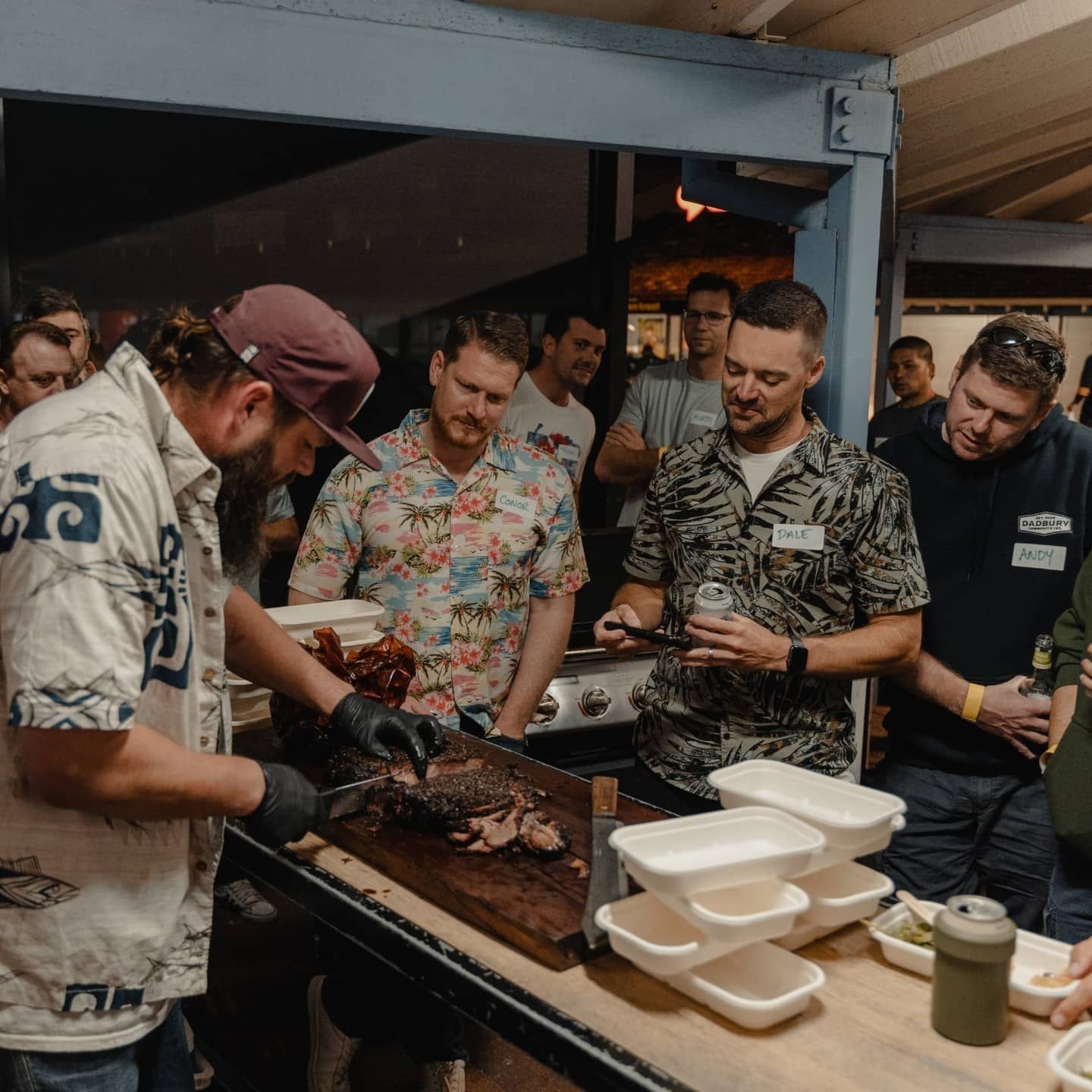
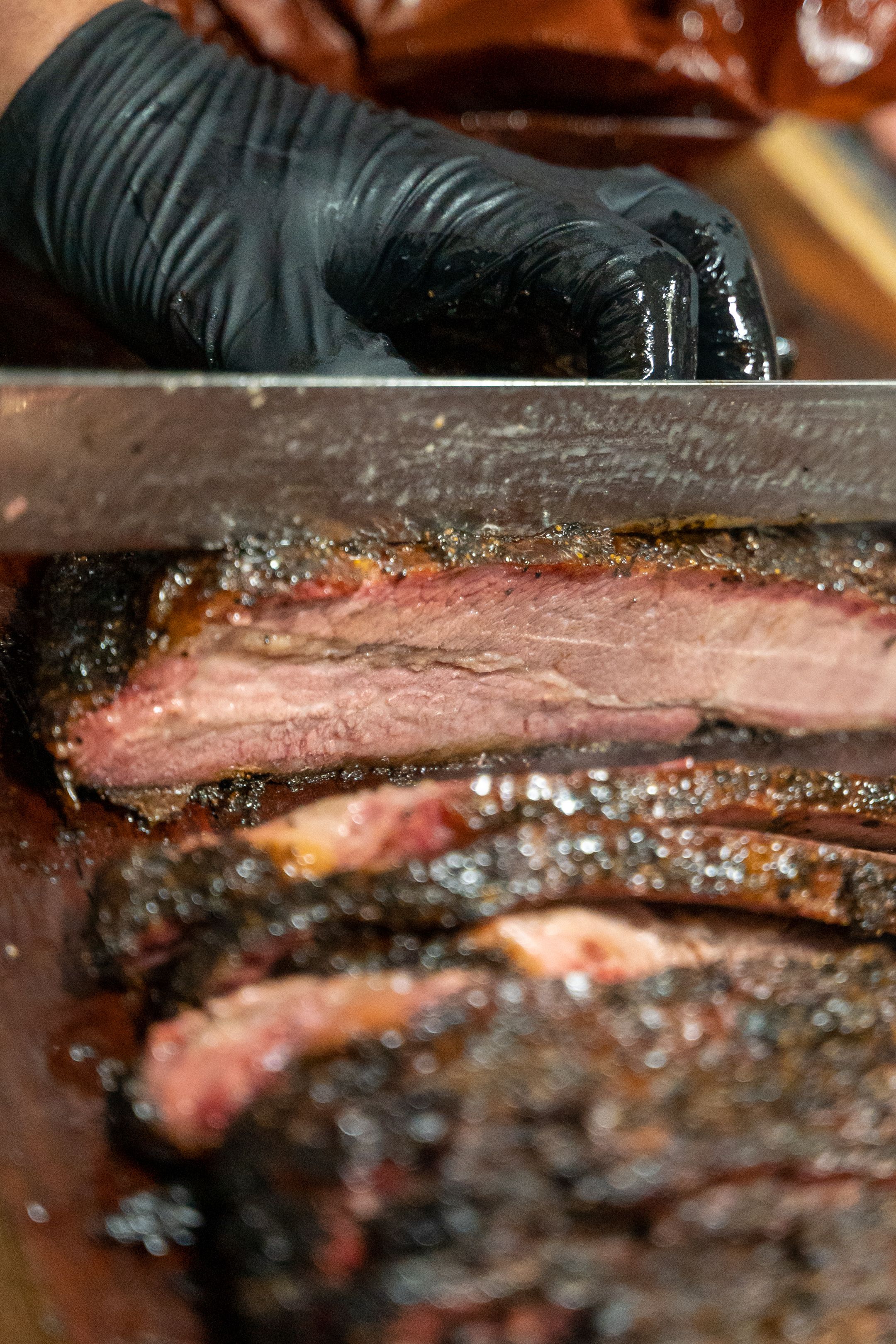
Plating a brisket that gets the oohs and aaahs, the admiration and glowing adoration that warms the heart etc is great for the ego, but the big reward is knowing yourself, that you are delighted with what you’ve achieved. The hours have not been wasted, the concentration has been rewarded, all is well with the world. While each brisket holds within it, its own secrets, there are some things that we should all know about and I’d like to share what I have found to be… VITAL! 

Okay, put simply, there are 5 things you need to remember to keep your brisket journey on the straight and narrow. 

1. Preparation is key! Make sure you have everything you need before you start so that during the cook you’re not ducking out to get supplies, like rubs which is a momentum/enthusiasm killer. I’ve been there and it messes with your head. Here are some related dot points to remember. 

a)   You’ll always use rub so make double, it’s not expensive, so you may as well. 

b)   You can never have enough fuel, so ensure you’ve got enough wood/pellets/charcoal 

c)   Stock up on gloves: running out could mean a quick trip to… hospital with burns – you don’t want that. 


d)   Avoid the dreaded battery crisis when your temp probe runs out of power…. OH COME ON! Solution: have spare batteries on hand.
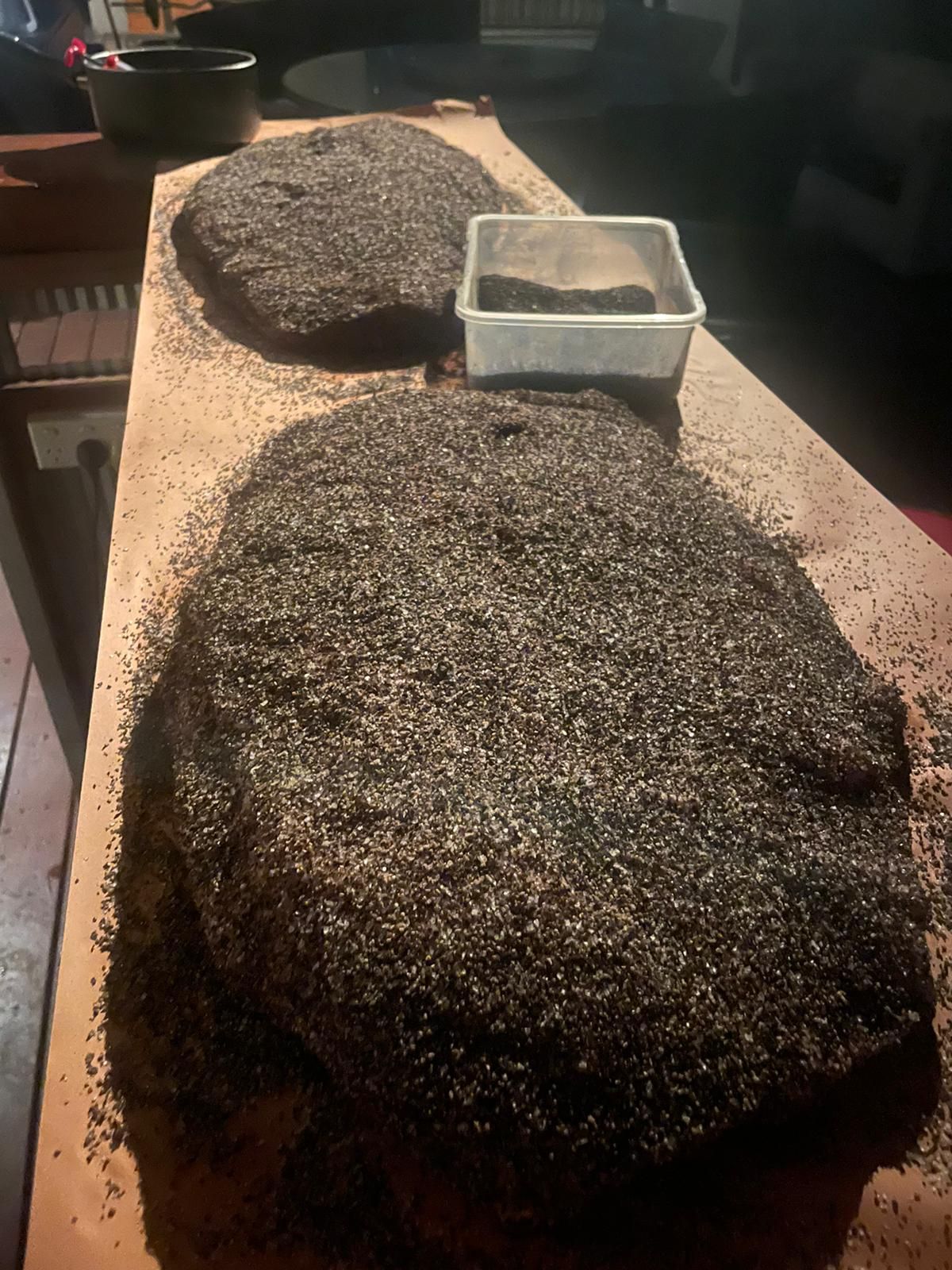
Then, run your prestart checks and have everything sorted well before the cook - even a week in advance (Yes, a week! When it comes to brisket things get serious). 
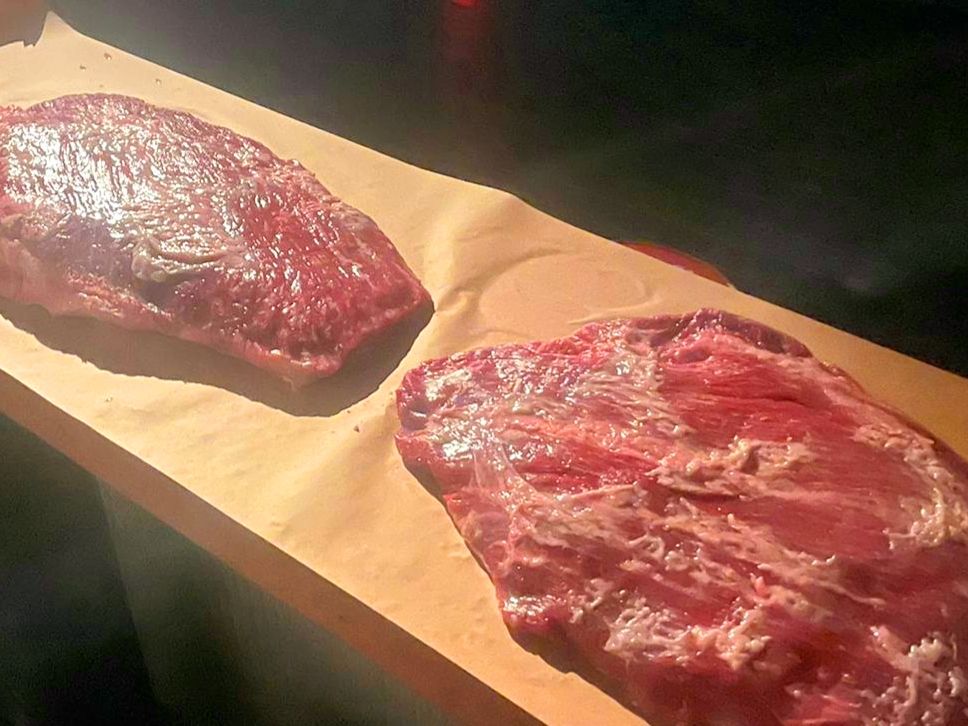
2. Preparation part 2, the must-see sequel. Take your brisket out of the fridge at least 8 hours before (applicable for briskets between 7-11 kg) and take it out of the package at T-1 hour. Doing this will allow your brisket to come to ambient room temperature. This achieves a couple of things, it: 

a)   allows time for the brisket to go from say around 4 degrees (from your fridge) to room temp - that’s a lot of cook time you’ve just reduced and wood-pellets-charcoal you’ve saved. 

b)   helps to avoid overcooking the outside as you strive for the target internal temperature – by the way, you can use the same guidelines that apply to both steaks and roasts. 

3. The pit: Set your pit up with a nice steady temperature, if possible, out of the elements (rain has spoiled my cooks more than once). Get to know your pit as they all are different in their own ways. Here’s a quick checklist to ensure readiness: 

a)   clean the grates 

b)   remove the ash and grease from the baffle plates, deflector plates and or buckets. You don’t need to be servicing your pit during a cook 

c)   keep your wood/pellets/charcoal close when your pit temperature is dropping - you don’t want to be running around in a panic looking for your pit fuel. 

4.  The cook - Why is it difficult to hold steady temp? This is a question that’s plagued me for years. If you’re finding this difficult most likely “it’s not you (I say most likely) it’s the pit.” With a good pit you should be able to set the vents, monitor your temp, add some fuel when the temperature starts to drop, shut doors/close lid and get back to the temp you were at prior to adding more fuel if you’re using an offset. Remember white/dirty smoke must be avoided - this is another section I will cover in a future article [Ed. Presumptuous – I like the confidence]. 

a)   Think about flipping and turning the brisket during the cook and remember, most pits will produce more heat closer to the heat source… [Ed. WHAT?]  I know shocking! Flipping and turning your brisket will even out the amount of doneness of your brisket. 


b)   Use a good temperature probe!! For me, and this is just my personal preference, the MEATER probe is my go-to but I’ll cover that in another article also [Ed. Poking the bear…]. 


c)   If you find your brisket is looking dry, well guess what it is (gasp!) – time to act! Also, if you’re in the midst of the dreaded stall, you can help both these scenarios by basting the brisket in fat - butter or rendered fat trimmings will do wonders to combat these issues. 

5. The rest / resting the brisket: The rest is not history; you need to stay with me for a bit longer because it is just as important as the cook. There are a few more steps to take to make sure your brisket yields the best results. A nicely marbled brisket will need no extra help but if you find you are cooking with something a bit leaner: 

a)   open your wrap and add some fat, be it butter or rendered brisket fat trimming (perfect) to the wrap before you rest 

b)   allow the brisket to cool because if you carve/slice the brisket while it’s too hot, tragically, all your hard work will be undone, all those hours of toil wasted and your pride (probably) in tatters for the sake of just a few minutes. But let’s not keep you guessing. Here are some warning signs that your brisket is too hot to carve: 

          i. Steam! If there’s excessive steam, it’s too hot 
          ii. Ouch! If it’s too hot to hold while carving it’s too hot 
          iii. if you find it oxidises after carving, it’s too hot. You’ll notice oxidation when a freshly cut, nicely presented slice starts to turn dull and grey – that’s not very visually appealing to you or your guests. 

Remember practice, practice, practice!! 

Final thoughts in really short sentences. Take your time. Let the meat do its thing. Don’t panic. Enjoy the experience and take note of what’s going on. 

Pro tip: Ignore the family and friends when they ask “when will it be ready?” and if you find yourself no longer able to continue for whatever reason, put the brisket in your oven at around 100c and continue the next day.So, go ahead, reread this piece, keep it close and ready yourself for the next triumphant brisket parade. Motivational tip when things get difficult:  Visualise the wows and gasps as you slice and present pure, pristine, awe-inspiring brisket to your audience and…. FEAST ON!
04/08/2022

  • Leave a comment
  • Share
    5 tips for a better brisket 

    Share link

in Tips, Johnno, Brisket

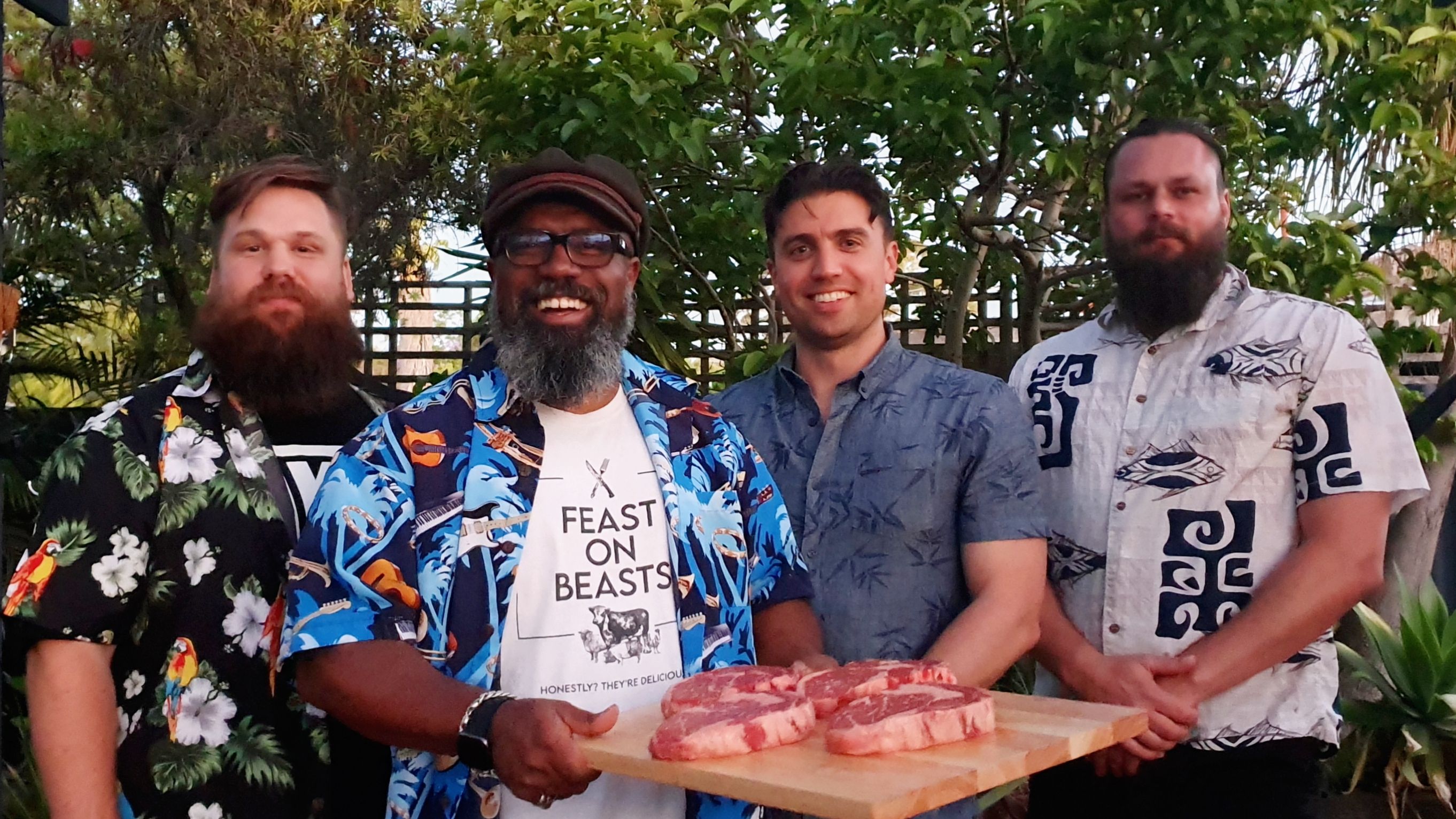
Meet The FoB Squad - a fun fact sheet... 

The Bearded Canadian, Train, House of Goff & Johnno 

Let’s start with a brief, one-paragraph history lesson/backstory: 

It was a spring day in 2016 on Sydney’s Circular Quay when Train scrawled “Feast on Beasts” on a diner napkin before returning his weary gaze to the immensely dissatisfying salad double-parked in front of his tiny steak. He hankered for a truly beautiful steak, perfectly cooked in a kitchen full of passionate cooks, thrilled to be alive and creating meat dishes, and embracing their calling. “I can’t be the only one thinking like this,” Train lamented. 

Fast-forward past a trip to IP Australia, a transcontinental relocation and 4 years later, Feast on Beasts was born: a tight-knit community of passionate meat lovers, presenting beef, pork, lamb and poultry-related reviews, rumours, feasting facts and fiction and fashion – and these are the people that helped turn that miserable lunch into a Feast for the senses. 

Train is always hungry, loves a garish feasting shirt and believes that an appetite is like any other muscle in the body – it can be trained to get bigger, stronger and more formidable. But it takes effort! 

Talent/superpower: defeating science with unusual cooking methods, banter, never giving up – at the feasting table. 

Specialty: steak, crackling pork loin bites with seasoned crackling, cold hard opinions. 


The Bearded Canadian sports a beard that would put most lumberjacks to shame but is known for his panoramic range of culinary tastes and insatiable appetite for gustatory parlour games and challenges. 

Talent/superpower: culinary creativity, seeing beyond the carcass or cut before him and dreaming up enticing entrees, mains and stunning starters. 

Specialty: Ham, pork shoulders, poultry curios, repartee, Canadian accents. 


House of Goff knows things that we don’t when it comes to burgers, hot sauce and the science of meaty repasts. Genuinely humble and soft spoken, his dishes scream perfection, attention to detail and rich flavour. 

Talent/superpower: maintaining a measured, logical approach to preparing and presenting feasts, even if chaos abounds; and consuming (and relishing) fiery hot sauces. 

Specialty: Smash burgers, chicken wings in many and varied um… variations, food (okay meat) science. 


Johnno the enthusiastic smoker, brisket whisperer and pork platter presenter with the golden olfactory senses, deconstructs sauces, rubs and recipes in general, with an unsettling confidence and unerring accuracy. Talent/superpower: the easy answer is, plating up peerless portions of pork and brisket but it’s the detail, the ingredients, the flavour combinations that set his work apart from the rest. 

Specialty: Brisket, pork, chicken varietals and lesser-known beast-based meals – buffalo, crocodile to name two.

01/21/2022

  • Leave a comment
  • Share
    Meet The FoB Squad - a fun fact sheet...

    Share link

in House of Goff, Train, The Bearded Canadian, Johnno, FoB Squad

For any and all bookings, reviews and ruminant-related ruminations, feel free to email us at feaston@feastonbeasts.com

Some images ©

  • Log out